
Skin pigmentation disorders can significantly affect one’s appearance and confidence. These conditions result in uneven skin color, leading to patches of lighter or darker skin. Fortunately, advancements in dermatology provide various pigmentation disorder treatments that can effectively manage these conditions.
What are Skin Pigmentation?
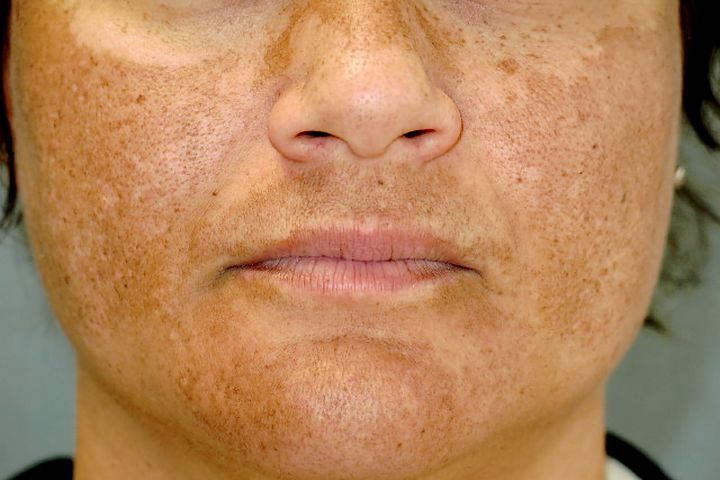
Pigmentation Disorders of the Skin Symptoms
Symptoms of pigmentation disorders of the skin vary depending on the type of disorder, but they often include:
- Dark or light patches on the skin.
- Uneven skin tone.
- Spots or blotches that do not resemble the surrounding skin.
- Sensitivity or itching in the affected areas.
While these symptoms are primarily cosmetic, they can lead to self-consciousness and emotional distress for those affected.
Skin Pigmentation Disorders Causes
- Sun Exposure: Prolonged exposure to UV rays can lead to hyperpigmentation and dark spots.
- Hormonal Changes: Conditions like melasma are triggered by hormonal fluctuations, often seen during pregnancy or with birth control use.
- Inflammation or Injury: Post-inflammatory hyperpigmentation occurs after skin trauma such as acne, burns, or eczema.
- Autoimmune Conditions: Vitiligo is an autoimmune disorder in which the body attacks its own melanin-producing cells, leading to the loss of pigment.
Skin Pigmentation Disorder Treatment Risks
While pigmentation disorder treatments are generally safe, it’s important to be aware of potential risks:
- Skin Irritation: Some treatments may cause redness, peeling, or sensitivity.
- Allergic Reactions: Certain ingredients in topical creams can trigger allergies.
- Uneven Results: Treatments like laser therapy may result in inconsistent skin tone if not performed correctly.
Consulting an experienced dermatologist like Dr. Aiza Jamil is vital to minimize risks and ensure the best outcomes for treating skin pigmentation disorders.
Types of Skin
- Normal Skin
- Dry Skin
- Oily Skin
- Combination Skin
- Sensitive Skin
Types of Skin Pigmentation Disorders
Here are some of the most common skin pigmentation disorders:
- Melasma
Dark, brown patches, primarily affecting the face.
- Vitiligo
Loss of skin color in patches due to destruction of melanin-producing cells.
- Post-Inflammatory Hyperpigmentation
Dark spots following skin injury or inflammation.
- Freckles
Small brown spots, usually harmless but intensified by sun exposure.
- Albinism
A genetic disorder that reduces melanin production, leading to very light skin, hair, and eye color. Individuals with albinism are sensitive to sunlight and have an increased risk of skin cancer.
- Solar Lentigines (Age Spots)
Darkened patches are commonly found on sun-exposed areas like the hands, face, and shoulders. They result from prolonged sun exposure and are more common with age.
Each of these pigmentation disorders of the skin requires specific treatments based on its severity and cause.
Skin Pigmentation Treatments
- Laser Treatments
Laser therapy can target dark spots and stimulate collagen production for improved skin texture and tone.
- Chemical Peels
These exfoliate the top layer of the skin, removing hyperpigmented cells.
- Topical Treatments
Prescription creams containing ingredients like hydroquinone and retinoids can lighten dark patches.
- Microneedling
Stimulates skin regeneration and can help reduce pigmentation.
Why Choose Dr. Aiza Jamil for Skin Pigmentation Disorder Treatments?
Dr. Aiza Jamil is a renowned dermatologist with extensive expertise in treating skin pigmentation disorders. With cutting-edge technology and personalized treatment plans, she ensures that patients receive the highest-quality care with optimal results. Her approach combines science-backed methods with a deep understanding of cosmetic dermatology, making her a top choice for pigmentation disorder treatment.
If you’re struggling with skin pigmentation disorders and seeking a solution that restores your skin’s natural beauty, book a consultation with Dr. Aiza Jamil today. She offers the latest and most effective treatments for pigmentation disorders of the skin, tailored to your unique needs. Don’t wait—start your journey to clearer, more even-toned skin now!
FAQs
What is the Function of Melanin?
Melanin is the pigment responsible for giving your skin, hair, and eyes their color. It also plays a crucial role in protecting your skin from the harmful effects of UV radiation.
What Triggers Hyperpigmentation?
Hyperpigmentation can be triggered by factors such as excessive sun exposure, hormonal changes, and skin injuries or inflammation.
Why am I Losing the Pigment in my Skin?
Loss of skin pigment is often caused by conditions like vitiligo, where the immune system mistakenly attacks melanin-producing cells, or by skin damage.
What is the Most Common Skin Pigmentation Disorder?
Melasma is one of the most common skin pigmentation disorders, especially in women due to its association with hormonal changes.
What are the Diseases Causing Skin Pigmentation?
Conditions like melasma, vitiligo, and post-inflammatory hyperpigmentation are the most well-known diseases causing skin pigmentation changes.
